Customer reviews are no longer just simple feedback.
Today, reviews are one of the strongest trust signals for local businesses. Before people call a company, book a service, visit a shop, choose a restaurant, hire a consultant, or buy from a local business, they usually check reviews first.
A customer may compare two businesses with similar services. One has 12 reviews and a 4.1 rating. The other has 180 reviews, detailed customer feedback, recent responses, real photos, and a 4.8 rating. Most customers will feel more comfortable choosing the second business.
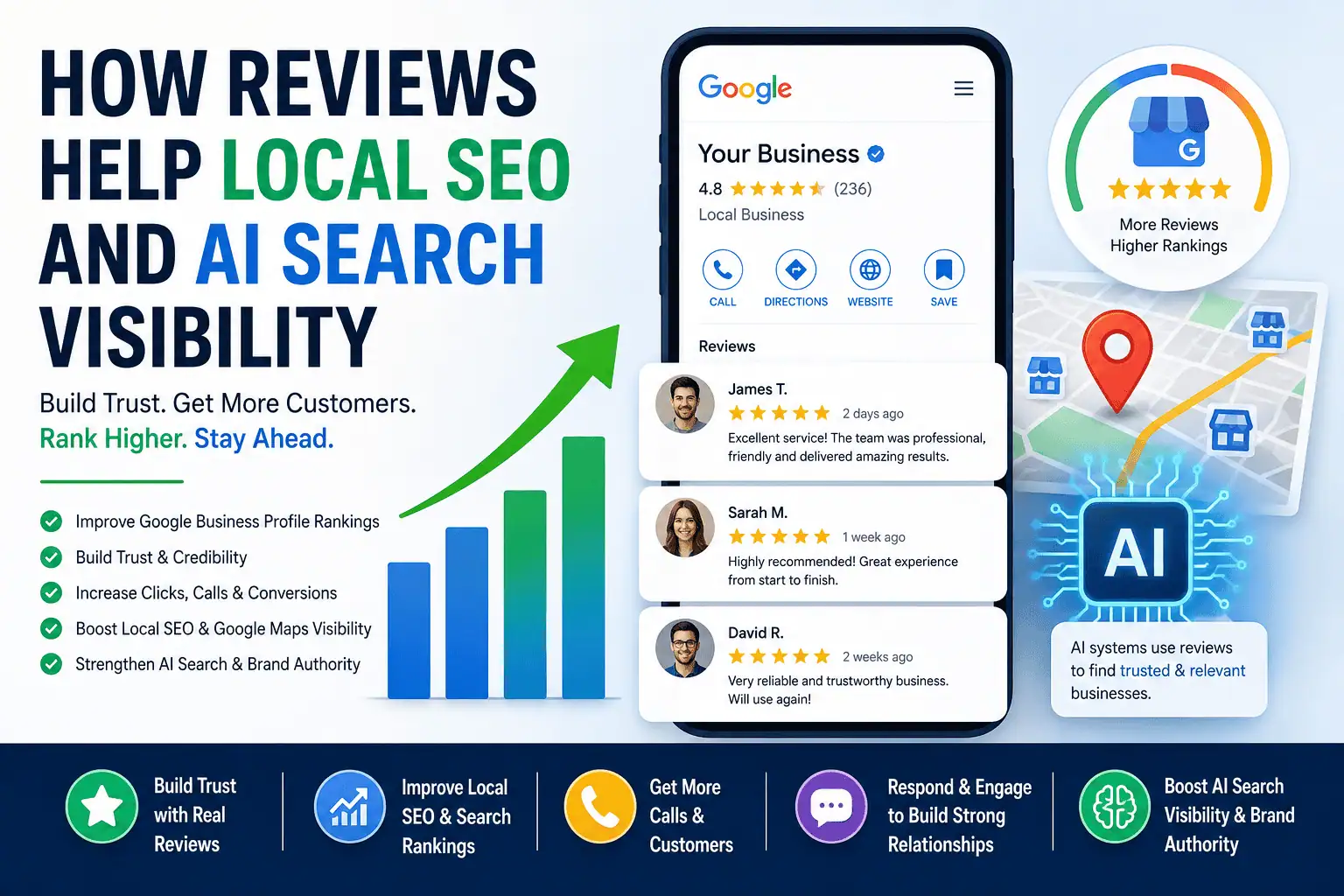
That is the power of reviews. Reviews help people decide whether they can trust your business. They also support your Local SEO strategy, Google Business Profile performance, Google Maps visibility, customer engagement, conversion rate, brand authority, and AI search visibility.
In 2026 and beyond, small businesses need to think about reviews as part of a complete search strategy. Reviews are connected to Local SEO, Entity SEO, AI SEO, AEO, GEO, brand authority, and customer experience.
A strong review strategy can help your business get more visibility, more calls, more leads, more direction requests, more bookings, and more trust from local customers.
What Are Online Reviews?
Online reviews are public customer feedback posted on platforms such as Google, Facebook, Trustpilot, Yelp, TripAdvisor, Clutch, Upwork, industry directories, booking platforms, and business websites.
A review usually includes a rating, written feedback, customer experience, service details, product comments, photos, or recommendations.
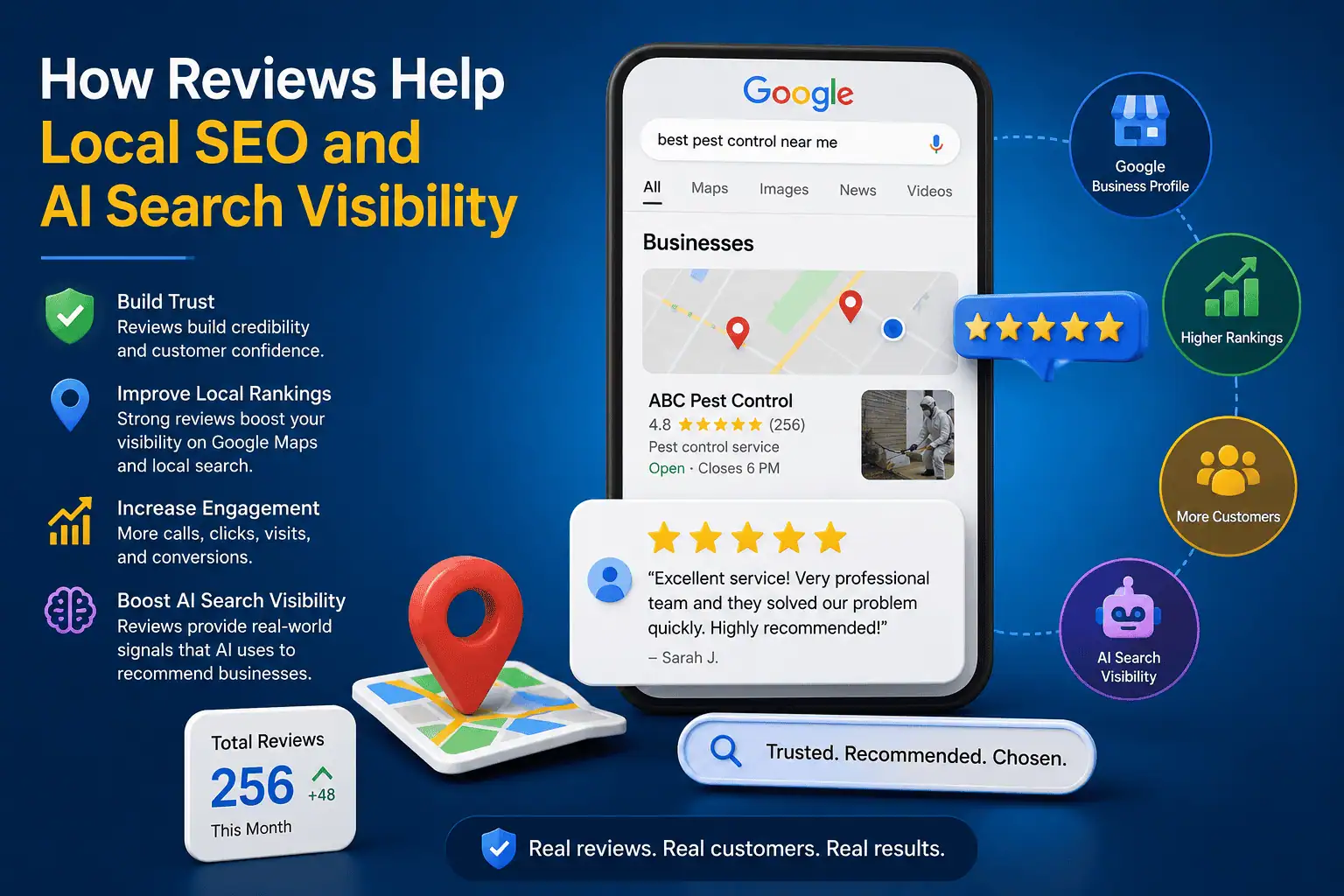
For a Local Business, Reviews Can Show
- What customers think about your service
- Whether your business is reliable
- Whether your team is professional
- Whether your pricing feels fair
- Whether your service quality is consistent
- Whether customers would recommend you
- Whether your business is active and trustworthy
Reviews are user-generated trust signals. They are powerful because they come from customers, not directly from the business.
A business can say, “We provide excellent service.” A customer review can prove it.
Common Review Platforms
Different businesses may need reviews on different platforms. However, Google reviews are usually the most important for Local SEO because they appear directly inside Google Search and Google Maps.
Google Business Profile
Google Business Profile reviews are highly visible in Google Search, Google Maps, and local pack results. These reviews can influence customer trust, calls, direction requests, website clicks, and local business comparisons.
Facebook Reviews and Recommendations
Facebook recommendations can help businesses build social proof, especially for restaurants, shops, local services, travel businesses, salons, bakeries, and community-based brands.
Trustpilot
Trustpilot is useful for brands that want third-party reputation proof, especially eCommerce, SaaS, agencies, service providers, and larger businesses.
Yelp
Yelp is still relevant in some markets, especially for restaurants, hospitality, home services, and local consumer businesses.
TripAdvisor
TripAdvisor is important for hotels, resorts, restaurants, attractions, tour companies, and travel businesses.
Clutch and GoodFirms
These platforms are useful for agencies, software companies, app developers, digital marketing firms, web design companies, and B2B service providers.
Upwork and Freelance Platforms
For consultants and freelancers, reviews on Upwork, Fiverr, Freelancer, and similar platforms can help build trust and proof of experience.
Website Testimonials
Website testimonials are also important. They may not have the same public verification as Google reviews, but they can improve trust and conversion when used properly on service pages, case studies, homepage sections, and landing pages.
Do Reviews Help Local SEO?
Yes, reviews can help Local SEO.
Reviews support Local SEO by improving trust, prominence, engagement, and customer decision-making. They can also help search engines understand the quality and reputation of a business.
However, reviews are not the only ranking factor.
A Local Business Still Needs
- A properly optimized Google Business Profile
- Correct business categories
- Accurate business information
- Strong website content
- Service pages
- Location pages where needed
- Citations
- Local backlinks
- Mobile-friendly website design
- LocalBusiness schema
- Good user experience
- Clear contact information
- Consistent name, address, and phone details
- Helpful content
- Strong brand authority
Reviews work together with these signals.
A business with many reviews but weak website content, wrong categories, inconsistent business information, or poor service pages may still struggle. A business with good reviews and a complete Local SEO strategy has a much stronger chance of performing well.
How Google Uses Reviews in Local Search
Google local search is mainly influenced by relevance, distance, and prominence. Reviews can support these signals, especially relevance and prominence.
Relevance
Relevance means how well your business matches what the user is searching for.
If someone searches “carpet cleaning in Brisbane,” Google needs to understand which businesses provide carpet cleaning services in that area.
Reviews can naturally support relevance when customers mention service names, product names, location names, staff names, problems solved, service quality, industry-specific terms, and customer experience.
For example, a review that says, “Great carpet cleaning service in Brisbane. They removed old stains and arrived on time,” gives more useful context than a review that only says, “Good service.”
The review naturally mentions the service and location. This can help support relevance, but businesses should never force customers to write keyword-stuffed reviews.
Distance
Distance means how close the business is to the searcher or to the location used in the search.
Reviews do not change your physical distance from the searcher.
However, when your business appears in local results, reviews can help customers choose you over another nearby business. If your rating, review count, review quality, and responses are strong, users may be more likely to call, click, or request directions.
So reviews may not change geography, but they can improve trust and conversion once your business is visible.
Prominence
Prominence means how well-known, trusted, and reputable your business appears.
Reviews are strongly connected to prominence.
A business with many genuine reviews, high ratings, recent feedback, detailed customer experiences, and professional responses may appear more trusted than a business with few reviews or poor feedback.
Prominence Can Also Be Supported By
- Backlinks
- Brand mentions
- Local citations
- News mentions
- Directory listings
- Reviews
- Ratings
- Website authority
- Social proof
- Offline reputation
- Business profile activity
Reviews are one of the easiest trust signals for customers to understand quickly.
How Reviews Help Google Business Profile Visibility
Google Business Profile is one of the most important platforms for Local SEO.
Your profile can show your business name, reviews, rating, phone number, address, website, hours, photos, services, products, posts, Q&A, and direction buttons.
Reviews can improve how users interact with your profile.
Reviews Build Trust Before the Click
Many users make a decision directly from Google Business Profile without visiting your website first.
They May Check
- Average rating
- Number of reviews
- Recent reviews
- Negative reviews
- Business responses
- Photos
- Opening hours
- Service details
- Distance
- Directions
- Call button
- Website link
If your reviews are strong, users may trust you faster.
Reviews Increase Calls, Directions, and Website Clicks
Strong reviews can improve customer actions.
A User Who Sees Strong Reviews May Be More Likely To
- Call your business
- Visit your website
- Request directions
- Book an appointment
- Send a message
- Ask for a quote
- Visit your store
- Choose your service over a competitor
Local SEO is not only about ranking. It is about getting real business results.
Reviews Add Fresh User-Generated Content
New reviews add fresh content to your business profile.
Fresh reviews show that your business is active and still serving customers. This is important because customers may not trust a business that has not received a review for several years.
Review freshness can also help users understand whether the business is currently performing well.
Review Quantity, Quality, and Recency
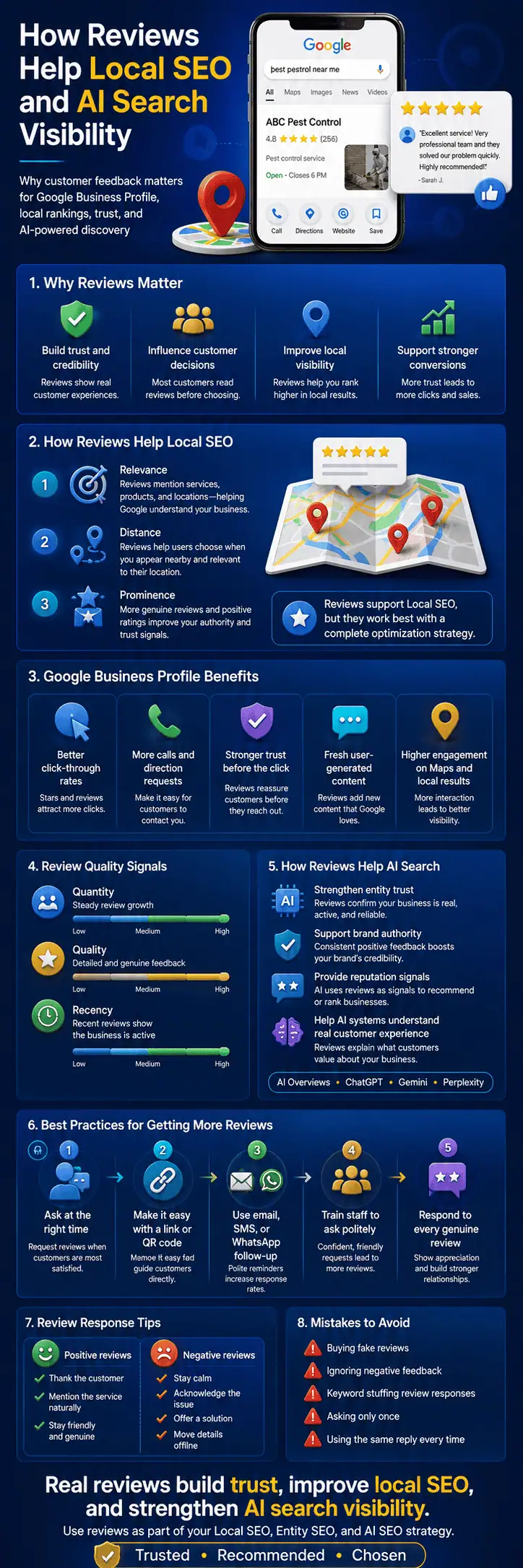
A good review strategy should focus on three things: quantity, quality, and recency.
Review Quantity
Review quantity means how many reviews your business has.
More genuine reviews can help build trust. If your competitors have 200 reviews and your business has 8, customers may feel less confident choosing you.
However, quantity alone is not enough.
A business with 500 low-quality or suspicious reviews may not look as trustworthy as a business with 150 detailed, genuine, and recent reviews.
The goal is not just more reviews. The goal is more real, helpful, and trustworthy reviews.
Review Quality
Review quality means how useful, detailed, and genuine the reviews are.
A High-Quality Review Often Includes
- The service used
- The problem solved
- The customer experience
- Staff professionalism
- Location or service area
- Timeliness
- Result achieved
- Recommendation
Example:
“We hired ABC Pest Control for termite inspection in Melbourne. The team arrived on time, explained the issue clearly, and gave us a detailed treatment plan. Very professional and helpful.”
This kind of review is much more useful than:
“Good.”
Detailed reviews help future customers understand what to expect.
Review Recency
Review recency means how recently your business received reviews.
Recent reviews show that your business is active. They also show that customers are still using your service.
A business with 80 reviews from five years ago but no recent reviews may look inactive.
A business with consistent recent reviews looks more trustworthy.
Small businesses should build a review system that collects reviews regularly, not only once or twice a year.
Do Keywords in Reviews Help Local SEO?
Keywords in reviews can support relevance when they appear naturally.
Customers May Naturally Mention
- Carpet cleaning
- Local SEO
- Website design
- Pest control
- Roof repair
- Brisbane
- Dhaka
- Melbourne
- Google Business Profile
- WordPress SEO
- Restaurant service
- Fast delivery
- Emergency service
These words can help search engines and users understand what your business does.
However, businesses should never force customers to use exact keywords.
Good Review Example
“Great carpet cleaning service in Brisbane. The team removed old stains, arrived on time, and explained the drying process clearly.”
This review is natural, useful, and relevant.
Bad Review Example
“Best carpet cleaning Brisbane cheap carpet cleaning near me best carpet cleaners Brisbane number one carpet cleaner.”
This review looks unnatural and spammy. It may reduce trust.
Best Practice
Ask customers to share their honest experience.
Do not tell them exactly what to write.
A good review request can say:
“Please share your honest experience with our service. It helps other customers understand what to expect.”
This keeps the process natural and safe.
Why Review Responses Matter
Responding to reviews is an important part of reputation management.
A business that responds professionally shows that it cares about customers.
Review Responses Can Help
- Build trust
- Show professionalism
- Address concerns
- Improve customer relationships
- Encourage future reviews
- Show that the business is active
- Support customer confidence
How to Respond to Positive Reviews
A good positive review response should be short, personal, and professional.
You Can
- Thank the customer
- Mention the service naturally
- Show appreciation
- Invite them back if appropriate
- Avoid keyword stuffing
Example:
“Thank you for your kind review. We are glad you were happy with our Local SEO consultation and Google Business Profile optimization support. We appreciate your trust.”
Another example:
“Thank you for choosing us for carpet cleaning in Brisbane. We are happy to hear that our team delivered a professional service.”
How to Respond to Negative Reviews
Negative reviews should be handled carefully.
Do not argue with the customer publicly.
A Good Negative Review Response Should
- Stay calm
- Acknowledge the feedback
- Apologize if appropriate
- Offer to resolve the issue
- Move private details offline
- Avoid blaming the customer
- Avoid revealing personal information
Example:
“Thank you for your feedback. We are sorry to hear about your experience. Please contact our team directly so we can review the issue and work toward a solution.”
This type of response shows professionalism.
Even if the review is unfair, future customers will judge how you respond.
Fake Reviews and Review Policy Risks
Fake reviews are dangerous.
They can damage your reputation, violate platform policies, and reduce customer trust.
Fake Reviews Include
- Reviews from people who never used the business
- Reviews posted in exchange for money, discounts, gifts, or free services
- Reviews created from multiple accounts to manipulate ratings
- Reviews from staff pretending to be customers
- Reviews copied from another platform
- Fake negative reviews posted against competitors
- Review groups used to exchange fake feedback
Businesses should avoid fake review shortcuts.
A fake review strategy may look useful in the short term, but it can create long-term problems.
Why Fake Reviews Are Risky
Fake reviews can lead to:
- Removed reviews
- Lower trust
- Public warnings
- Business Profile restrictions
- Loss of customer confidence
- Reputation damage
- Competitor complaints
- Policy violations
- Legal or compliance issues in some markets
The best review strategy is simple:
Get genuine reviews from real customers.
How Reviews Help AI Search Visibility
AI search is changing how people find and choose businesses.
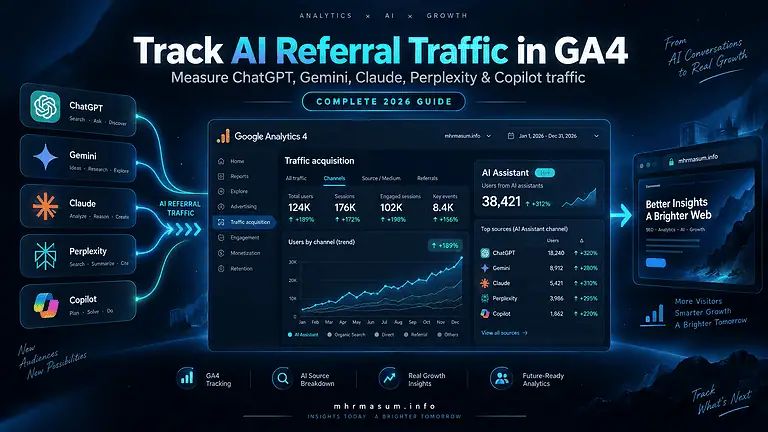
Users may ask tools like Google AI Overviews, ChatGPT, Gemini, Perplexity, or Copilot questions about trusted local businesses, service providers, consultants, restaurants, clinics, hotels, or agencies.
Example AI Search Questions
- Who is the best Local SEO consultant for small businesses?
- Which pest control company has good reviews near me?
- Recommend a reliable carpet cleaner in Brisbane.
- Which SEO expert understands Local SEO and AI SEO?
- What should I check before hiring a local service provider?
- Which business has the best reputation for this service?
AI search systems need trusted information to generate useful answers.
Reviews can support AI search visibility by strengthening business trust, customer sentiment, entity signals, brand authority, local relevance, service credibility, reputation proof, and third-party validation.
Reviews do not guarantee that AI tools will mention your business. But they can help create a stronger trust profile across the web.
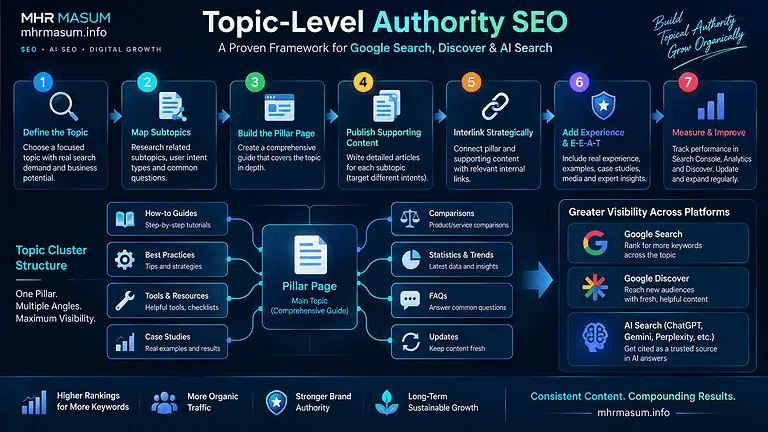
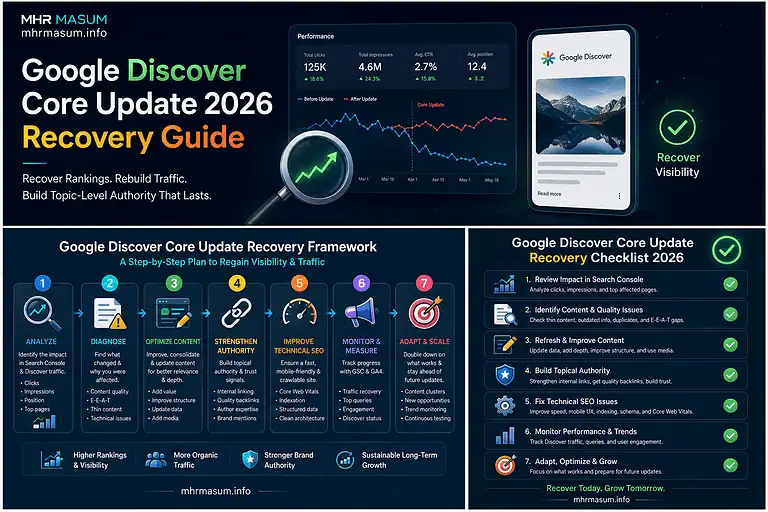
For a deeper strategy, read this guide on AI SEO and how to rank in Google AI Overviews, ChatGPT, Gemini, and Perplexity.
Reviews Support Entity Trust
Entity SEO is about helping search engines and AI systems understand your business as a real and trusted entity.
Reviews Help Confirm That
- Your business exists
- Customers use your services
- Your service quality is visible
- Your business is active
- Your brand has real-world trust
- Your business is connected to specific services and locations
For example, if many customers review your business for “Local SEO,” “Google Business Profile optimization,” and “WordPress SEO,” those reviews may help support your brand association with those services.
Reviews Support Brand Authority
AI tools need confidence before recommending a brand.
A business with strong reviews, clear service pages, good website content, consistent citations, case studies, social proof, brand mentions, schema markup, and an active Google Business Profile has stronger authority signals than a business with no public reputation.
If you want to understand this better, read this article on how to build brand authority for AI search.
Reviews Support AI Recommendations
AI systems may use public business information, online reputation, review sentiment, and trusted sources when forming answers or recommendations.
For local businesses, reviews are one of the most visible trust signals.
If you want to improve AI search visibility, reviews should be part of your wider AI SEO, Entity SEO, Local SEO, AEO, and GEO strategy.
Reviews, Entity SEO, AEO, and GEO
Reviews connect with several modern SEO strategies.
Reviews and Entity SEO
Reviews help connect your business entity with services, locations, customer experiences, and trust signals.
For Example, Reviews Can Help Connect
- Business name
- Service type
- Location
- Customer experience
- Staff name
- Problem solved
- Quality of work
- Reputation
These signals help search engines better understand your business.
Reviews and AEO
AEO means Answer Engine Optimization.
Reviews can help answer customer questions such as:
- Is this business reliable?
- What do customers say?
- Does this company serve my area?
- Is this service professional?
- Is this business worth contacting?
- What problems does this company solve?
When your reviews answer real customer concerns, they support answer-based search experiences.
Reviews and GEO
GEO means Generative Engine Optimization.
Reviews can support generative AI visibility because they contribute to your brand’s reputation and trust profile.
AI-generated answers often need trusted sources and reliable signals. Reviews can help your business look more credible when combined with strong content, citations, schema, and brand mentions.
For more context, read GEO vs AEO vs SEO: What Is the Difference?.
How Small Businesses Can Get More Genuine Reviews
Small businesses need a simple, repeatable review system.
Do not wait for reviews to happen randomly.
Create a clear process.
Ask at the Right Time
The best time to ask for a review is after a positive customer experience.
Good Times Include
- After successful service completion
- After product delivery
- After a consultation
- After a booking
- After a customer gives positive feedback
- After a repeat purchase
- After a problem is solved
- After a client thanks your team
Timing matters.
If the customer is happy, they are more likely to leave a review.
Make It Easy
Customers are busy.
Make the review process simple.
You Can Use
- Direct Google review link
- QR code
- SMS
- WhatsApp message
- Invoice note
- Receipt message
- Thank-you page
- Follow-up email
- Business card
- Review request card
The easier the process, the more reviews you can collect.
Train Staff
Your team should know how to ask for reviews politely.
Train Staff To
- Ask at the right time
- Avoid pressure
- Use polite language
- Never offer incentives
- Explain why feedback matters
- Share the review link
- Thank the customer
Staff should not say:
“Please give us a 5-star review.”
Better:
“If you are happy with our service, we would appreciate your honest review.”
Use a Follow-Up System
Create a review workflow:
- Complete the job.
- Confirm customer satisfaction.
- Send review request.
- Follow up once if needed.
- Thank the customer.
- Respond to the review.
- Track review growth.
A system makes review collection consistent.
Review Request Templates
Use these templates for your business or clients. Keep every request honest, simple, and pressure-free.
SMS Review Request Template
Hi [Name], thank you for choosing [Business Name]. We’re glad we could help. If you are happy with our service, we would appreciate your honest review here: [Review Link]
Email Review Request Template
Subject: Thank You for Choosing [Business Name]
Hi [Name],
Thank you for working with us. We hope you had a great experience.
Your feedback helps us improve and also helps other customers choose the right service provider.
You can leave an honest review here: [Review Link]
Thank you again,
[Business Name]
WhatsApp Review Request Template
Hi [Name], thank you for choosing [Business Name]. If you are happy with our service, please share your honest feedback here: [Review Link]. It really helps our small business.
Service Business Review Request Template
Hi [Name], thank you for trusting [Business Name] with your [Service Name]. If everything went well, we would be grateful if you could share your honest experience here: [Review Link]
Consultant Review Request Template
Hi [Name], thank you for working with me. I appreciate your trust. If my support helped your business, please consider leaving an honest review here: [Review Link]. Your feedback helps other businesses understand my services better.
Restaurant Review Request Template
Hi [Name], thank you for visiting [Restaurant Name]. We hope you enjoyed your meal and service. If you had a good experience, please share your honest review here: [Review Link]
Review Management Checklist
A good review strategy needs a clear checklist. This helps your team collect, manage, respond to, and use reviews properly.
Google Business Profile Checklist
- Claim your Google Business Profile
- Verify your profile
- Add correct business details
- Add correct primary category
- Add services
- Add photos
- Add business hours
- Add website link
- Create direct review link
- Monitor new reviews
- Respond to every review
- Report fake reviews if needed
Review Collection Checklist
- Ask happy customers
- Ask after successful service
- Use SMS, email, WhatsApp, or QR code
- Train staff
- Follow up once
- Keep the request simple
- Avoid pressure
- Avoid incentives
- Track monthly review growth
Review Response Checklist
- Respond to positive reviews
- Respond to negative reviews
- Stay professional
- Avoid arguments
- Avoid private details
- Mention service naturally where relevant
- Do not keyword stuff
- Thank customers
- Offer solutions when needed
Website Review Checklist
- Add testimonials to homepage
- Add service-specific testimonials
- Add local reviews to location pages
- Add reviews inside case studies
- Use real names where permission is given
- Add review screenshots carefully if allowed
- Use review schema only when valid
- Keep testimonials genuine
How to Use Reviews on Your Website
Reviews should not only stay on Google.
You can use genuine customer feedback on your website to improve trust and conversions.
Add Testimonials to Service Pages
Each service page should include relevant testimonials.
For example, a Local SEO service page should include testimonials from clients who used Local SEO, Google Business Profile optimization, citation building, or SEO consulting.
This helps users trust that specific service.
Add Reviews to Location Pages
If your business serves multiple locations, add local testimonials where relevant.
Examples Include
- Carpet cleaning reviews from Brisbane customers
- Pest control reviews from Melbourne customers
- SEO consulting reviews from Australian small businesses
- Restaurant reviews from local diners
Local testimonials support local relevance and trust.
Add Reviews to Case Studies
Case studies become stronger when they include client feedback.
A Good Case Study Can Include
- Client problem
- Strategy
- Work completed
- Result
- Screenshot
- Client testimonial
For example, this roofing Local SEO case study and this pest control GMB case study show how portfolio proof can support local trust and business authority.
Use Review Schema Carefully
Review schema can help search engines understand review content, but it must be used carefully.
Only use review schema when it matches visible, genuine, and policy-compliant content.
Do not add fake ratings or misleading structured data.
How Reviews Improve Conversion Rate
Reviews do not only help visibility. They also help conversions.
A Conversion Can Be
- Phone call
- Contact form submission
- Booking
- Purchase
- Direction request
- Quote request
- Appointment
- Store visit
- Consultation request
Reviews influence conversion because they reduce doubt.
A Customer May Ask
- Can I trust this business?
- Are other customers happy?
- Is the service professional?
- Does the business solve my problem?
- Is the rating good?
- Are recent reviews positive?
- How does the business respond to complaints?
Strong reviews can answer these questions before the customer contacts you.
That is why reviews are important for both SEO and sales.
Common Review Mistakes to Avoid
Review management needs care. Poor review practices can damage trust and weaken your local reputation.
Mistake 1: Buying Fake Reviews
Fake reviews can damage trust and violate platform policies.
Do not buy reviews.
Mistake 2: Ignoring Negative Reviews
Negative reviews should not be ignored. A professional response can reduce damage and show future customers that you care.
Mistake 3: Asking for Reviews Only Once
Review building should be ongoing. Ask consistently after successful customer interactions.
Mistake 4: Not Responding to Reviews
A business that never responds may look inactive. Responding shows care and professionalism.
Mistake 5: Keyword Stuffing Review Responses
Do not write unnatural responses like:
“Thank you for choosing the best carpet cleaning Brisbane carpet cleaner near me.”
Write naturally.
Mistake 6: Using the Same Response Every Time
Copy-paste responses look robotic.
Personalize your replies.
Mistake 7: Hiding Bad Feedback
Bad feedback can help improve your business. Use negative reviews to find service problems and fix them.
Mistake 8: Not Tracking Review Growth
Track how many reviews you get each month, your average rating, and how customers describe your service.
Mistake 9: Not Training Staff
Your staff should know how to request reviews properly.
Mistake 10: Depending Only on Google Reviews
Google reviews are important, but website testimonials, Facebook recommendations, industry reviews, and case study feedback can also support trust.
Final Review Strategy for Local SEO and AI Search
A strong review strategy should be simple, genuine, and consistent.
Focus On
- Getting genuine reviews regularly
- Responding professionally
- Avoiding fake review shortcuts
- Keeping business information accurate
- Using reviews to improve trust
- Adding testimonials to your website
- Connecting reviews with service pages
- Using reviews in case studies
- Monitoring review performance
- Improving customer experience
- Building brand authority
- Supporting AI search visibility
Reviews are not a magic ranking trick.
They are part of a bigger system.
That system includes Local SEO, Google Business Profile optimization, Entity SEO, AI SEO, AEO, GEO, technical SEO, and customer experience.
The businesses that win local search are usually the businesses that are easy to find, easy to trust, and easy to choose.
FAQs About Reviews, Local SEO, and AI Search
These FAQs answer the most common questions small business owners ask about reviews, Google Business Profile visibility, local rankings, and AI search trust signals.
Do Google Reviews Help Local SEO?
Yes, genuine Google reviews can support Local SEO by improving prominence, trust, engagement, and customer decision-making. Reviews work best when combined with a complete Local SEO strategy.
How Many Reviews Does a Local Business Need?
There is no fixed number. The goal is to have more genuine, recent, and high-quality reviews than competitors in your local market.
Do Keywords in Reviews Help SEO?
Natural service and location words in reviews may support relevance, but businesses should never force keyword-stuffed reviews. Reviews should be honest and based on real customer experiences.
Should Businesses Respond to Every Review?
Yes. Responding to reviews shows professionalism, care, and active reputation management. It also helps future customers see how your business handles feedback.
Can Fake Reviews Hurt My Business?
Yes. Fake reviews can violate platform policies, damage trust, and create Business Profile restrictions. Businesses should only collect genuine reviews from real customers.
Do Reviews Help AI Search Visibility?
Reviews may support AI search visibility by strengthening trust, reputation, entity signals, and public customer feedback. They do not guarantee AI mentions, but they can help build a stronger authority profile.
Should I Add Testimonials to My Website?
Yes. Genuine testimonials can improve trust and conversions when used properly on service pages, homepage sections, location pages, and case studies.
How Often Should I Ask for Reviews?
Ask consistently after successful customer interactions. A steady review flow is better than getting many reviews once and then stopping.
Are Negative Reviews Always Bad?
Not always. A few negative reviews can make a profile look more realistic. What matters is how your business responds and whether the overall review profile is positive and trustworthy.
Can Review Responses Include Keywords?
Yes, but only naturally. Do not stuff keywords into responses. Mention the service or location only when it fits the context.
Need Help Improving Your Local SEO and Review Strategy?
Reviews are not only about reputation. They also support local trust, Google Business Profile visibility, customer confidence, and AI search authority.
A strong review strategy can help your small business get more calls, more leads, and more local visibility.
If you need help with Local SEO, Google Business Profile optimization, review strategy, website structure, or AI search visibility, contact me here for a consultation.
Conclusion
Reviews help small businesses build trust, improve local visibility, strengthen Google Business Profile performance, increase conversions, and support AI search visibility.
They help customers understand whether your business is reliable, active, professional, and worth choosing.
For Local SEO, reviews can support prominence, relevance, engagement, and customer trust. For AI search, reviews can support entity trust, brand authority, and reputation signals.
The Best Review Strategy Is Simple
- Get genuine reviews consistently
- Respond professionally
- Avoid fake review shortcuts
- Use reviews to improve your services
- Add testimonials to your website
- Connect reviews with your Local SEO, Entity SEO, and AI SEO strategy
In modern search, businesses are not only competing for rankings.
They are competing for trust.
And reviews are one of the strongest ways to earn that trust.