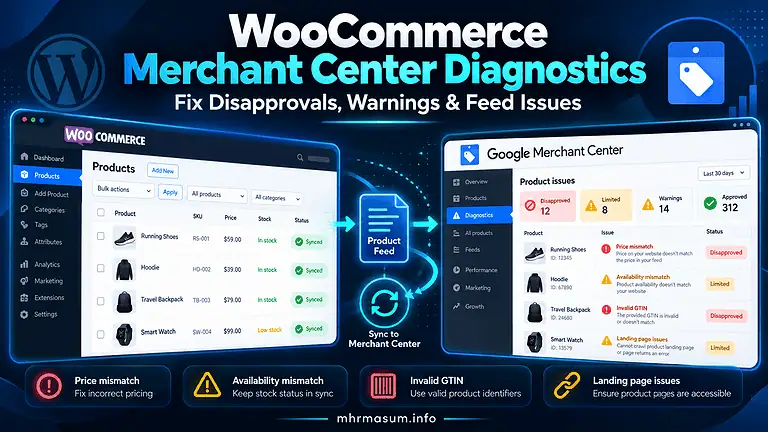

WooCommerce Merchant Center Diagnostics: Fix Disapprovals
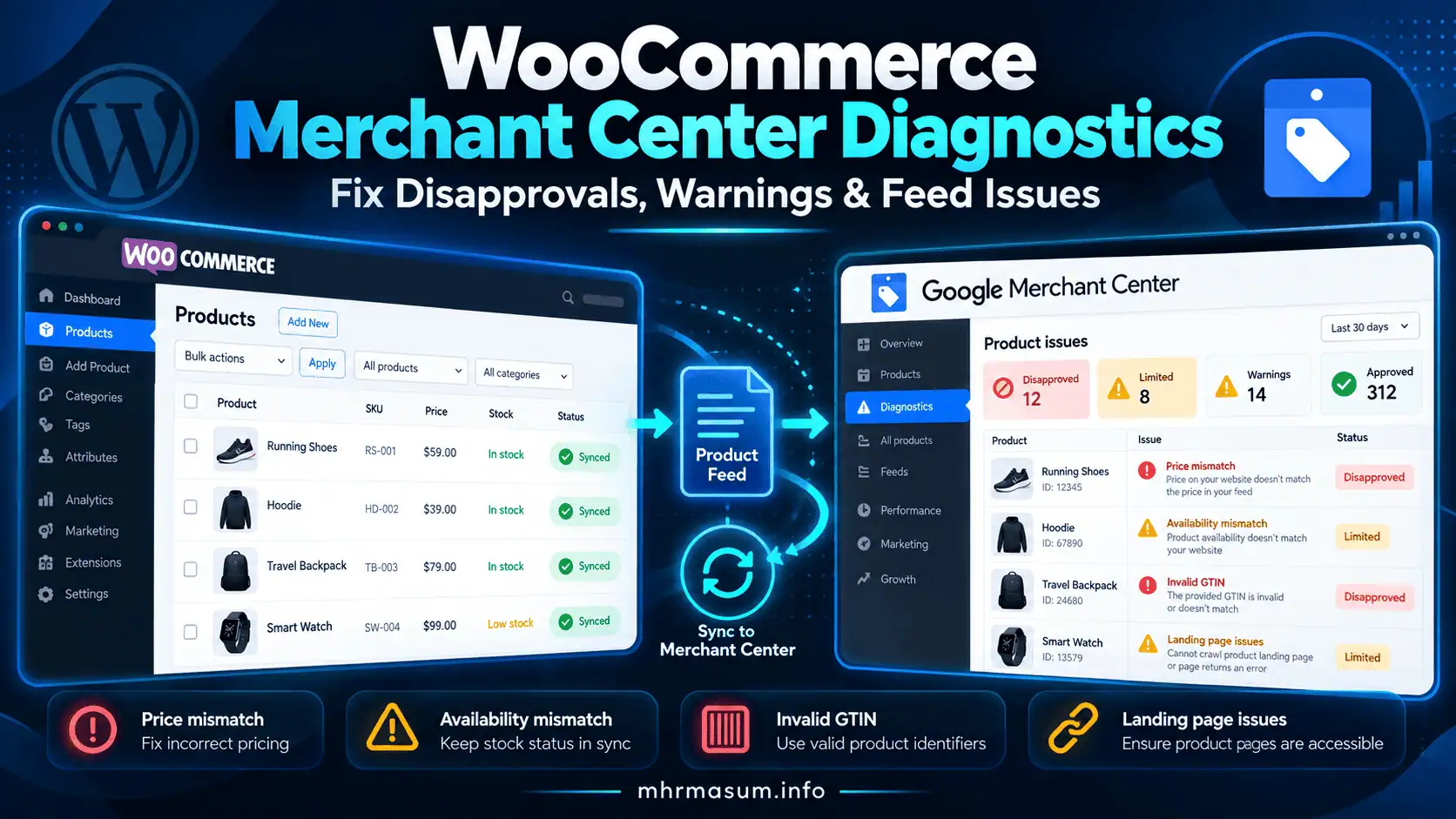
A WooCommerce product can be perfectly available for purchase on your website and still disappear from Google Shopping, free listings or other Google commerce surfaces. The problem may not be WooCommerce itself. Google Merchant Center continuously evaluates product data, landing pages, pricing, availability, product identifiers, images, policies and account configuration. When something does not meet … Read more
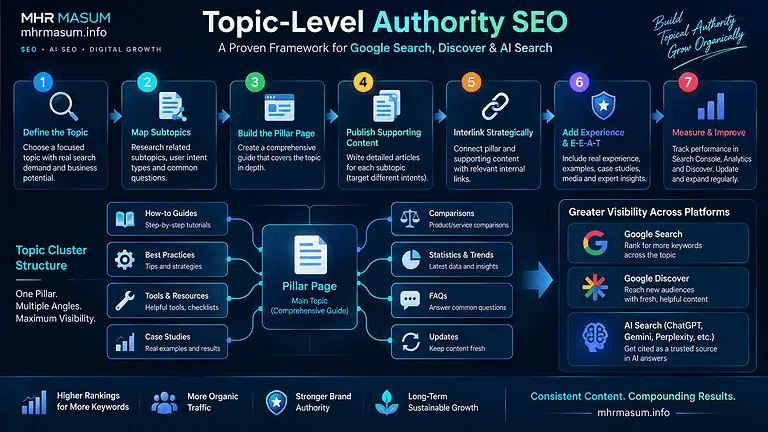
Topic-Level Authority SEO: Google Search & Discover Guide
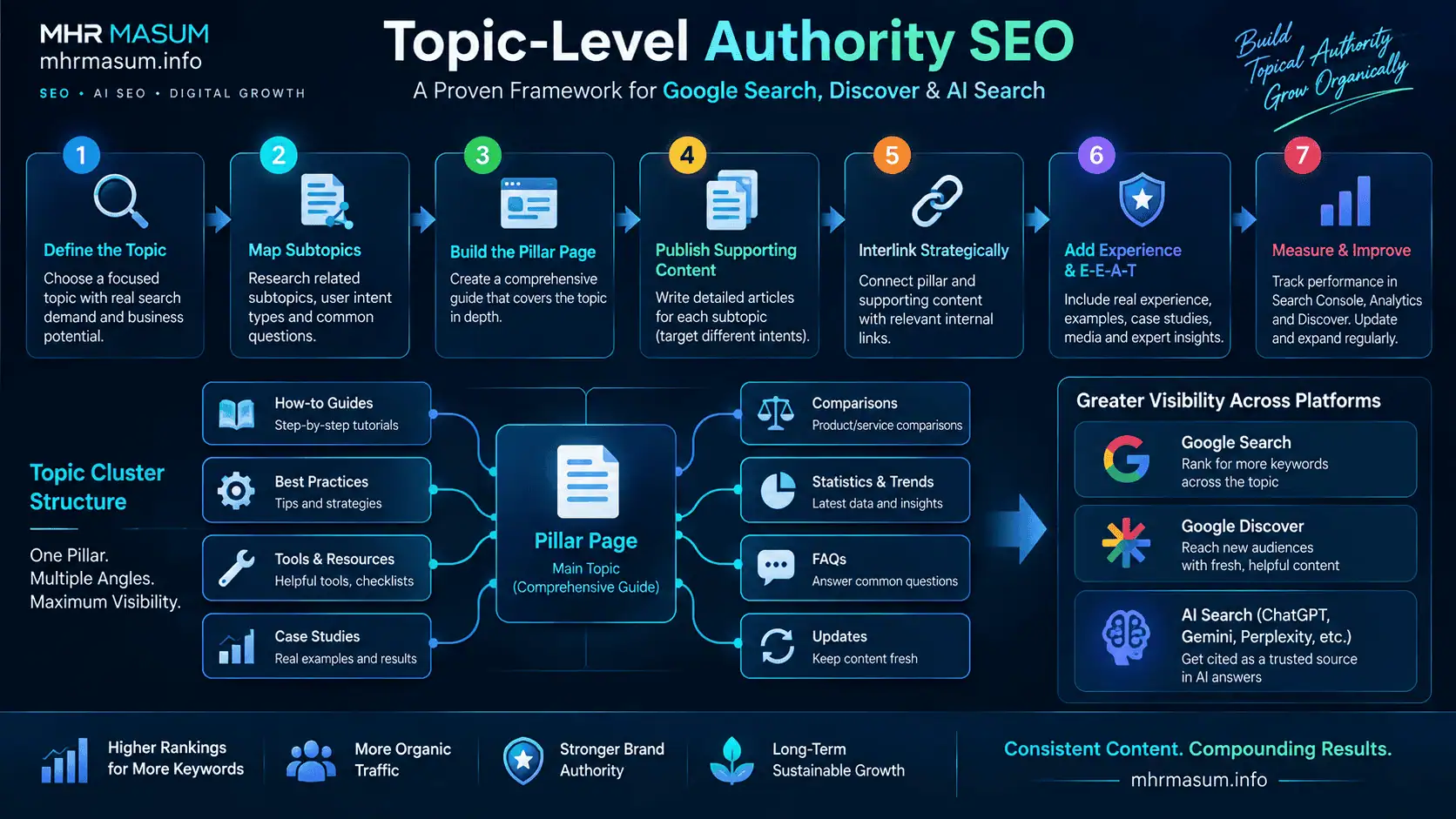
Ranking one strong article is useful. Building a website that Google repeatedly understands as a reliable source on an entire subject is much more powerful. That is the idea behind topic-level authority SEO. The concept became particularly important in 2026 when Google explicitly said that its Discover systems can understand website expertise topic by topic. … Read more
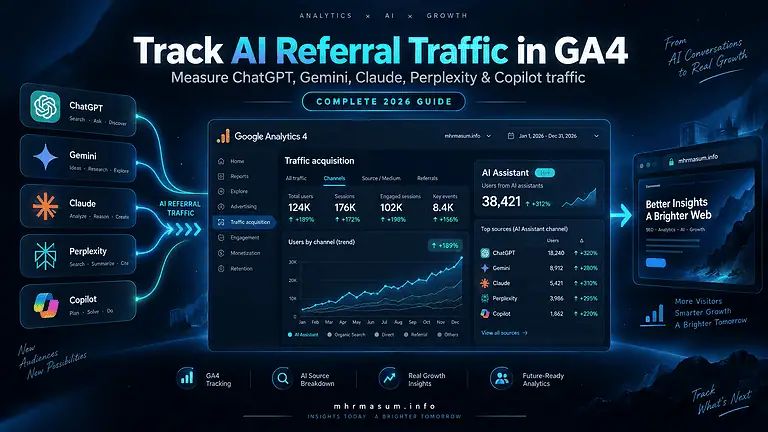
Track AI Referral Traffic in GA4: Complete 2026 Guide
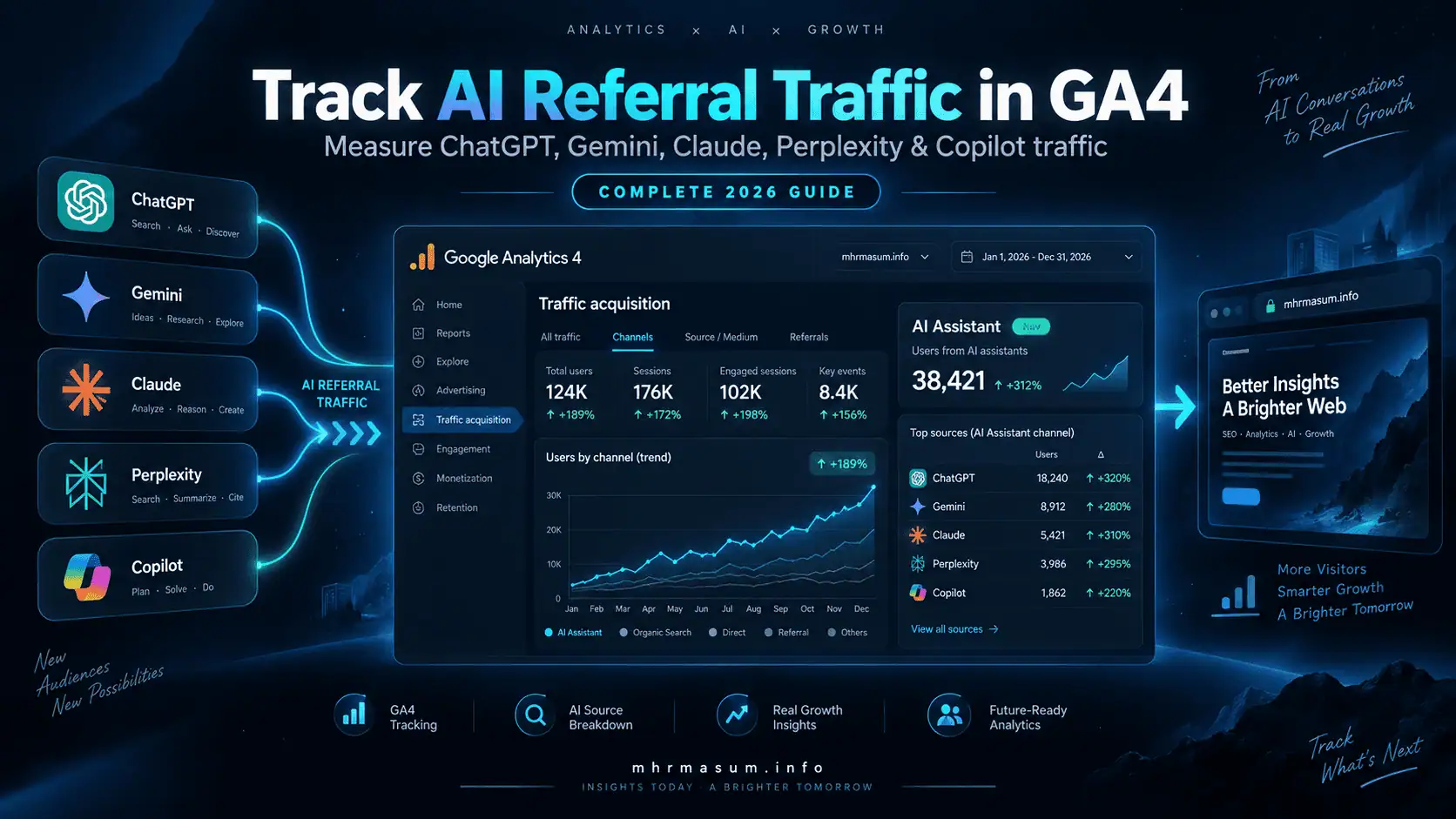
AI platforms are becoming a measurable source of website traffic. People increasingly discover businesses, products, articles, services and expert resources through conversational systems such as ChatGPT, Gemini, Claude, Perplexity and Microsoft Copilot. A user may ask an AI assistant: What is the best way to recover after a Google core update? The AI response may … Read more
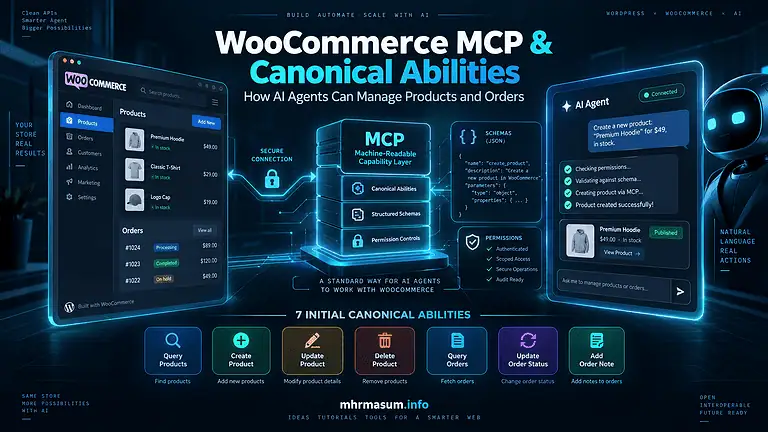
WooCommerce MCP and Canonical Abilities: How AI Agents Can Manage Products and Orders
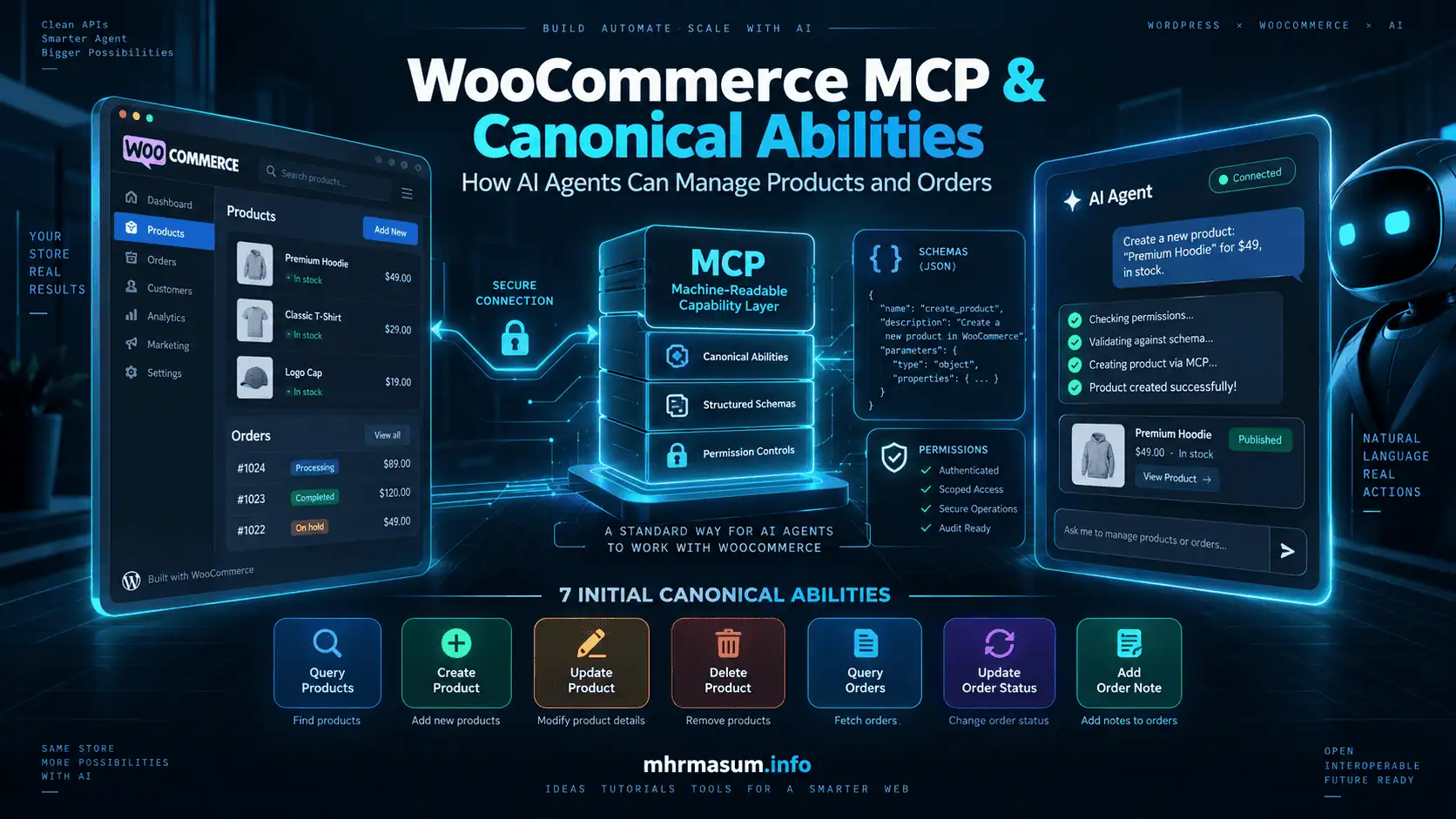
Artificial intelligence is moving beyond generating product descriptions and answering ecommerce questions. AI agents can increasingly interact with live software systems, retrieve current information and perform authorised actions. For a WooCommerce store, this creates an important distinction. An AI model may understand what a product is, but without access to your store it cannot reliably … Read more
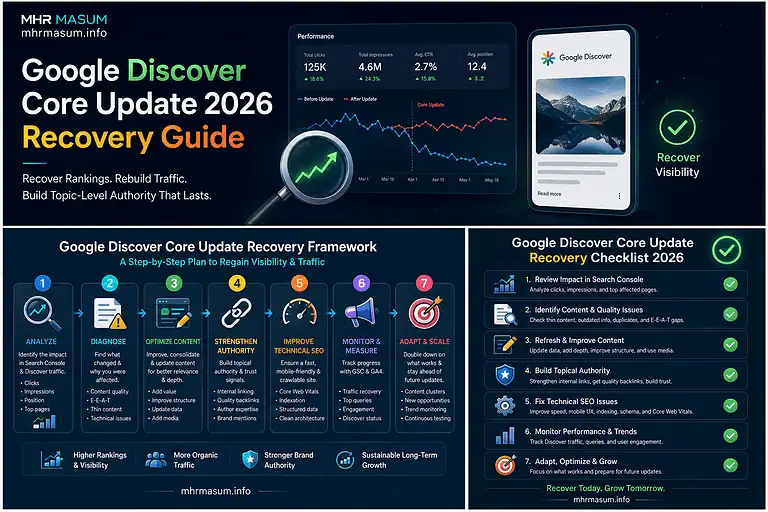
Google Discover Core Update 2026: How to Recover and Build Topic-Level Authority
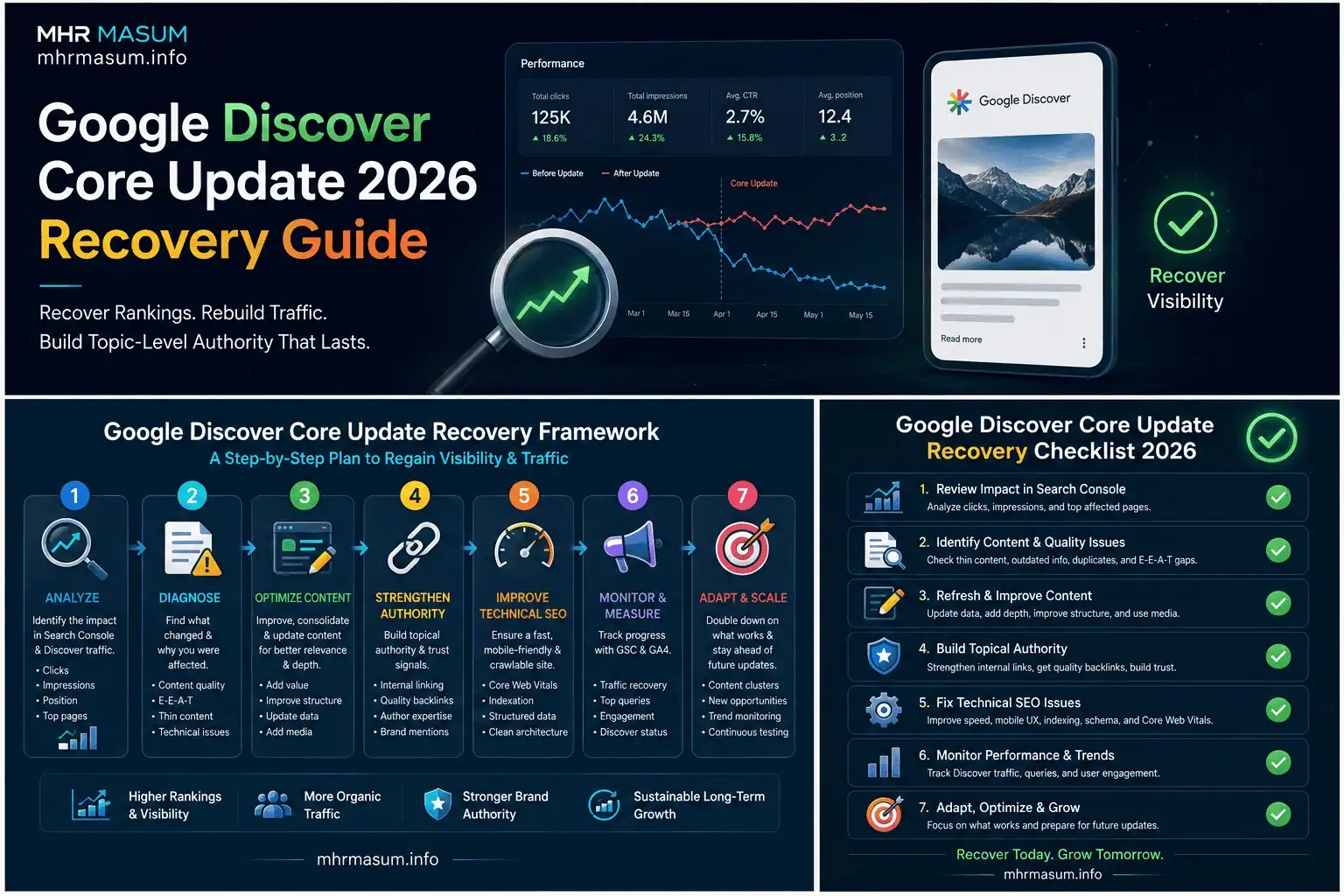
Google Discover can send significant traffic to publishers, specialist websites, ecommerce brands, local businesses and content-led companies. Unlike traditional Google Search, Discover does not wait for a user to type a keyword. It proactively recommends articles, videos and other content based on a person’s interests, activity and preferences. That opportunity also makes Discover traffic less … Read more
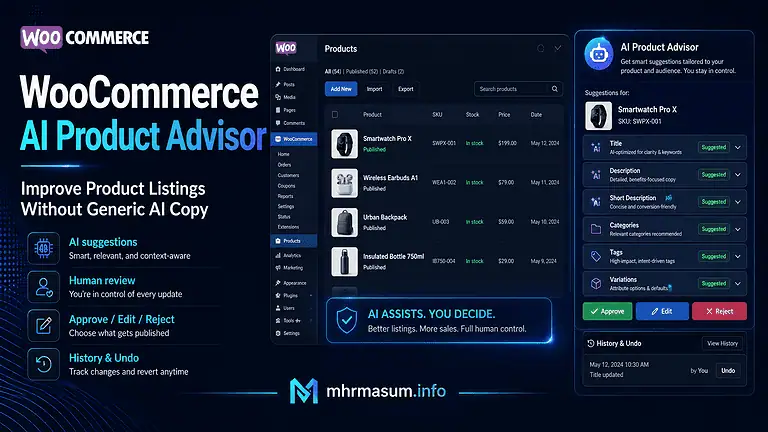
WooCommerce AI Product Advisor: Improve Product Listings Without Generic AI Copy
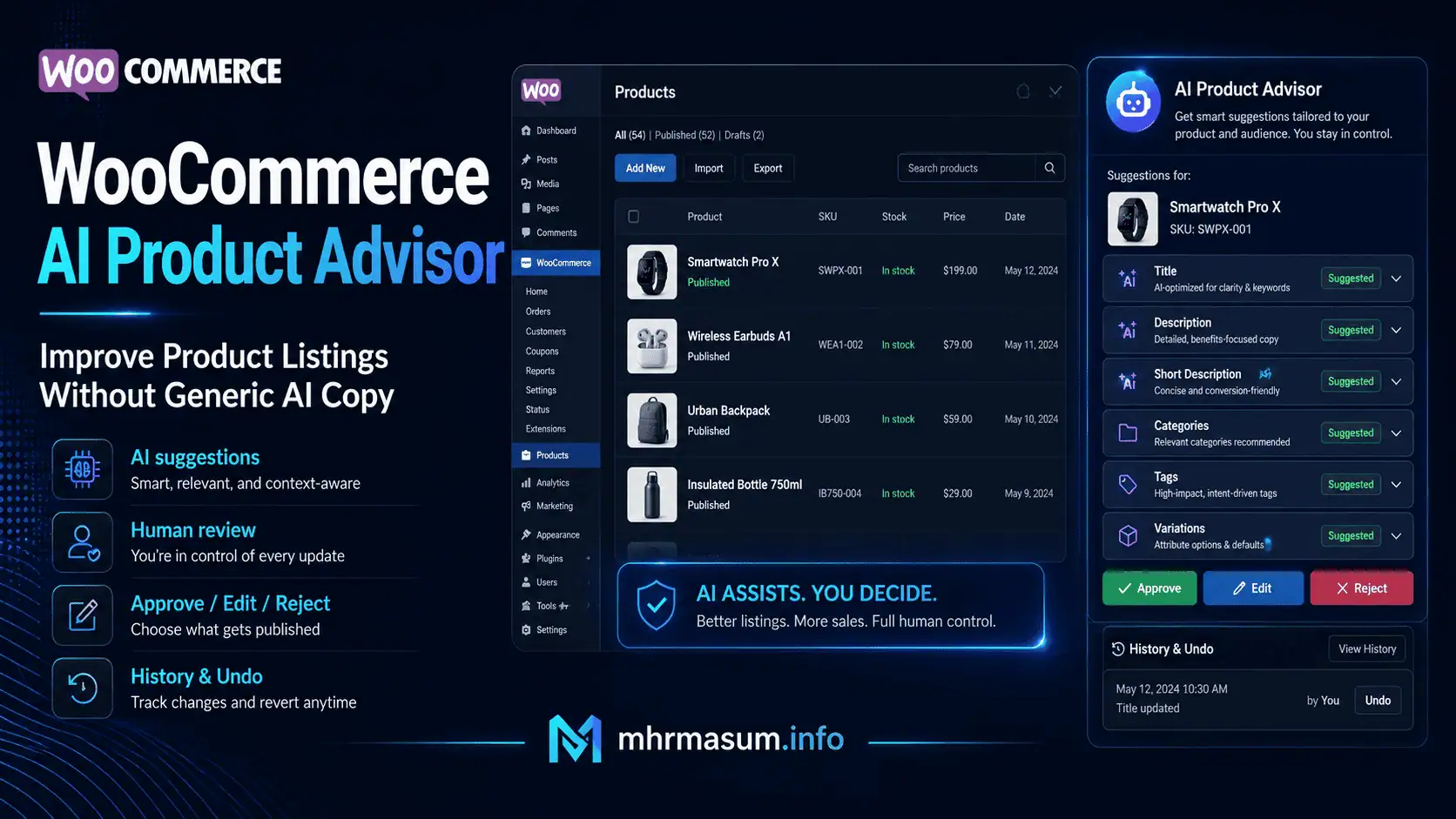
Managing an expanding WooCommerce catalogue creates a recurring content problem. Some products have incomplete descriptions. Others use inconsistent titles, duplicate wording, vague categories, missing tags or poorly explained variations. Product information may have been written by different team members over several years, making the catalogue difficult to manage and inconsistent for customers. Improving hundreds or … Read more
Content API for Shopping Shutdown: WooCommerce Migration to Google Merchant API
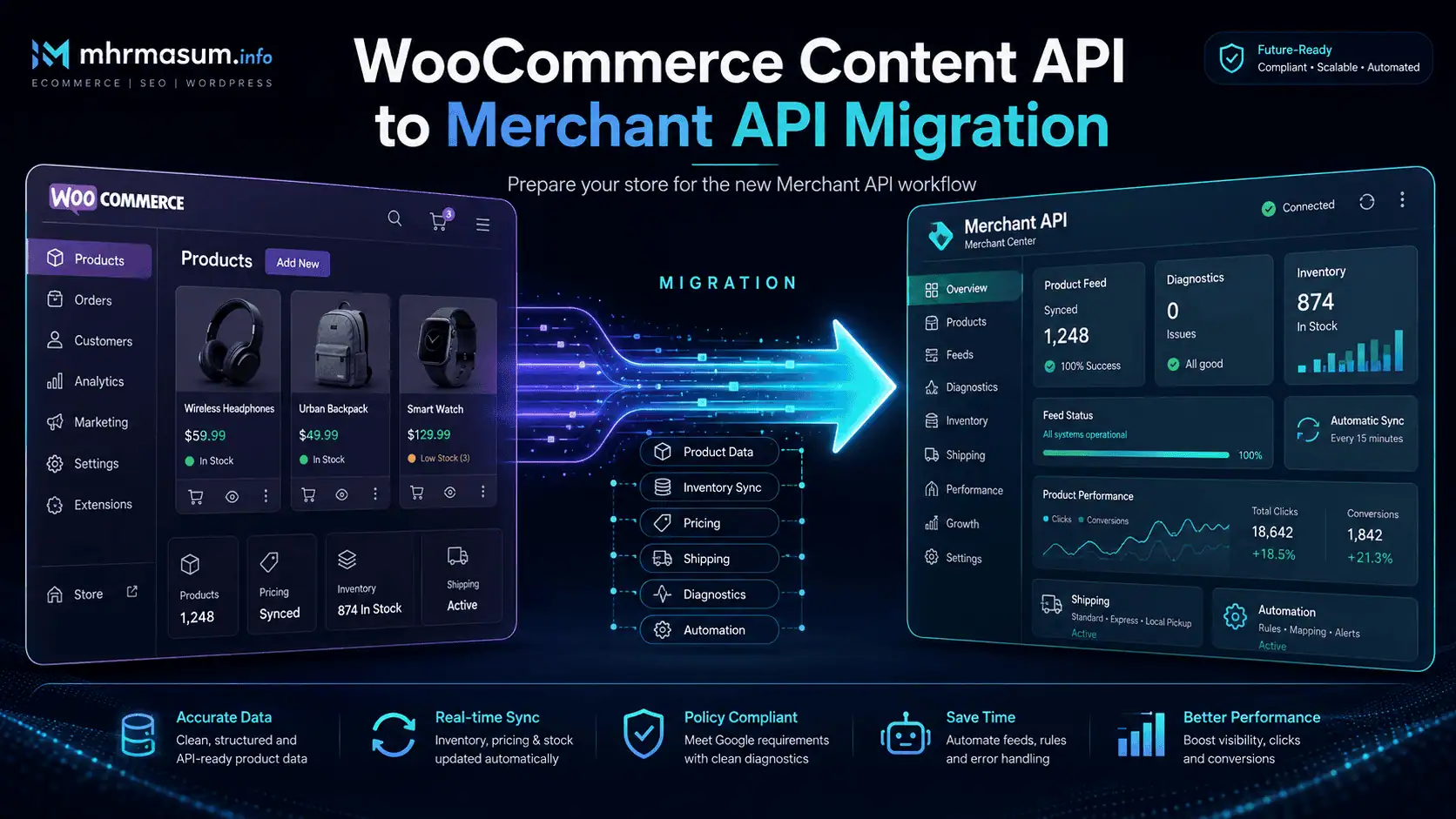
Google is shutting down the Content API for Shopping. After years of powering product uploads, inventory updates, Merchant Center account management and ecommerce reporting, the legacy API will stop working on August 18, 2026. Google has designated Merchant API as its official successor. For WooCommerce store owners, the required action depends on how product data … Read more
Google Search Console Platform Properties: Measure Instagram, TikTok, X and YouTube Visibility
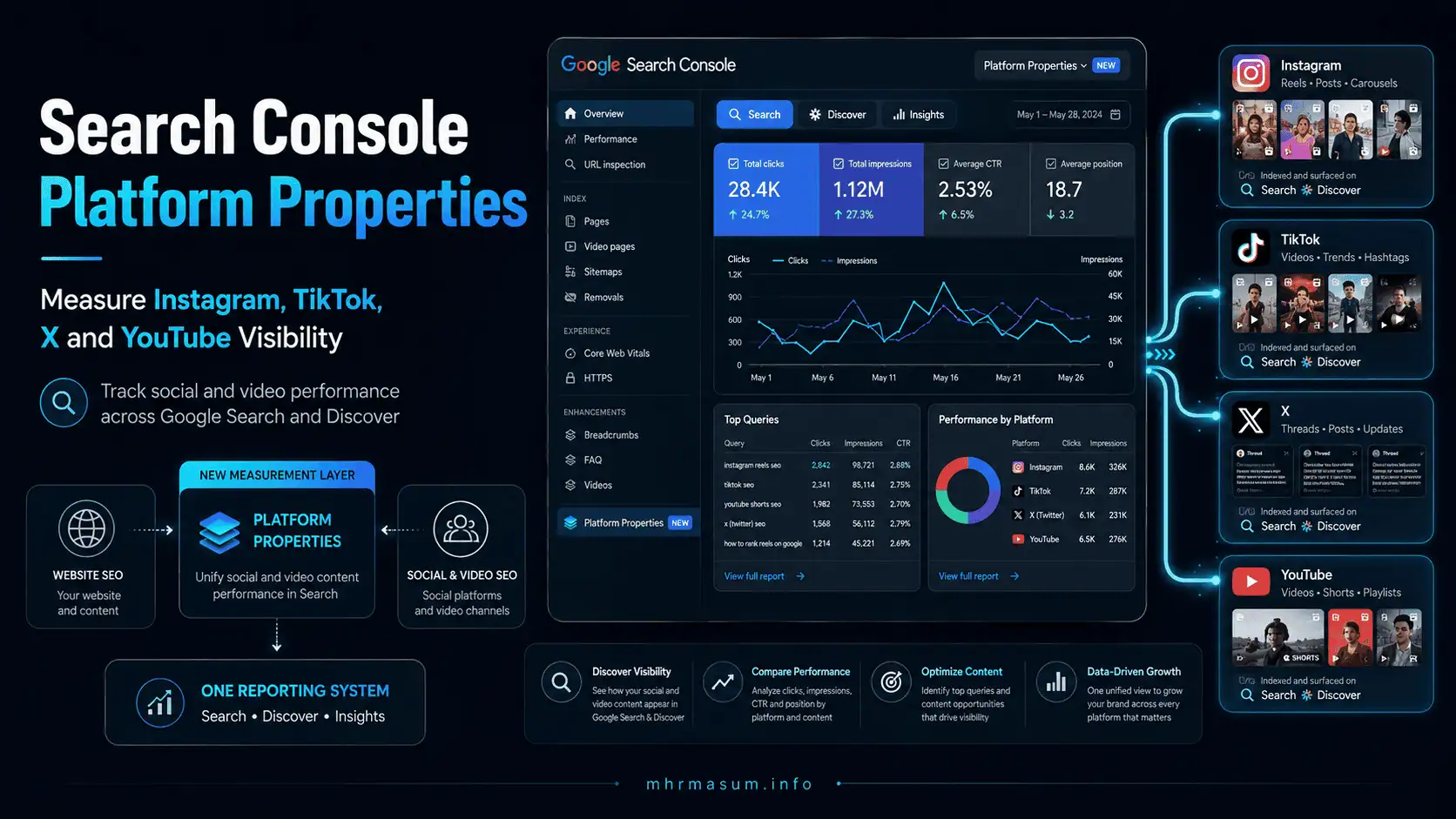
Social media content is no longer limited to social media platforms. Instagram posts, TikTok videos, YouTube videos and X posts can appear in Google Search results. Some may also receive visibility through Google Discover or Google News. However, measuring that visibility has historically been difficult because creators did not control the domains hosting their social … Read more
Agentic Commerce and UCP for WooCommerce: How to Prepare Your Store for AI Shopping Agents
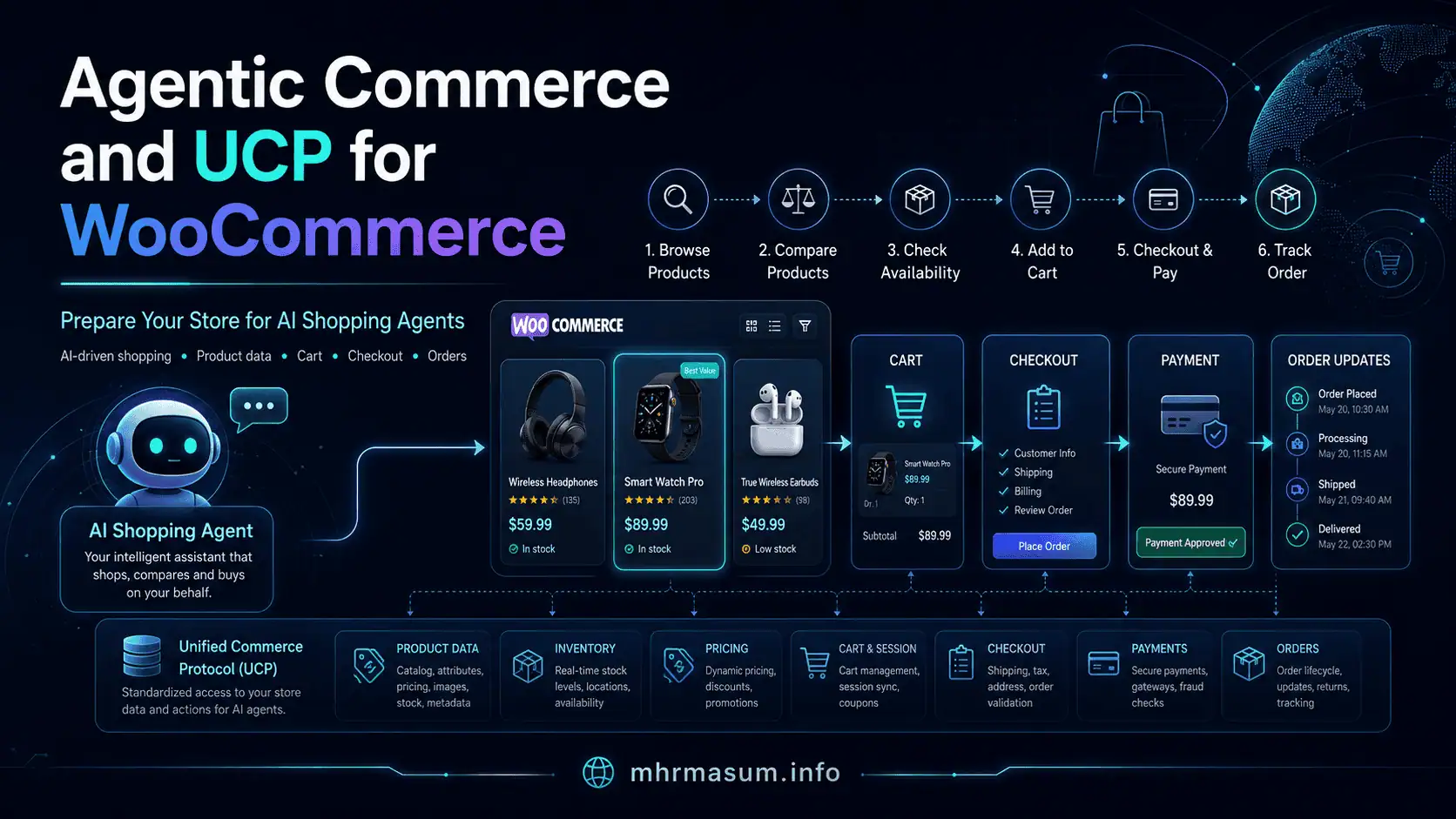
Online shopping is beginning to move beyond search boxes, category pages and traditional checkout journeys. Instead of visiting several websites manually, a customer may ask an AI assistant: Find me a waterproof hiking jacket under $150 that is available in medium, can arrive before Friday and has free returns. An AI shopping agent may then … Read more
Multimodal SEO for AI Search: How to Optimize Images, Videos, Charts and Visual Evidence
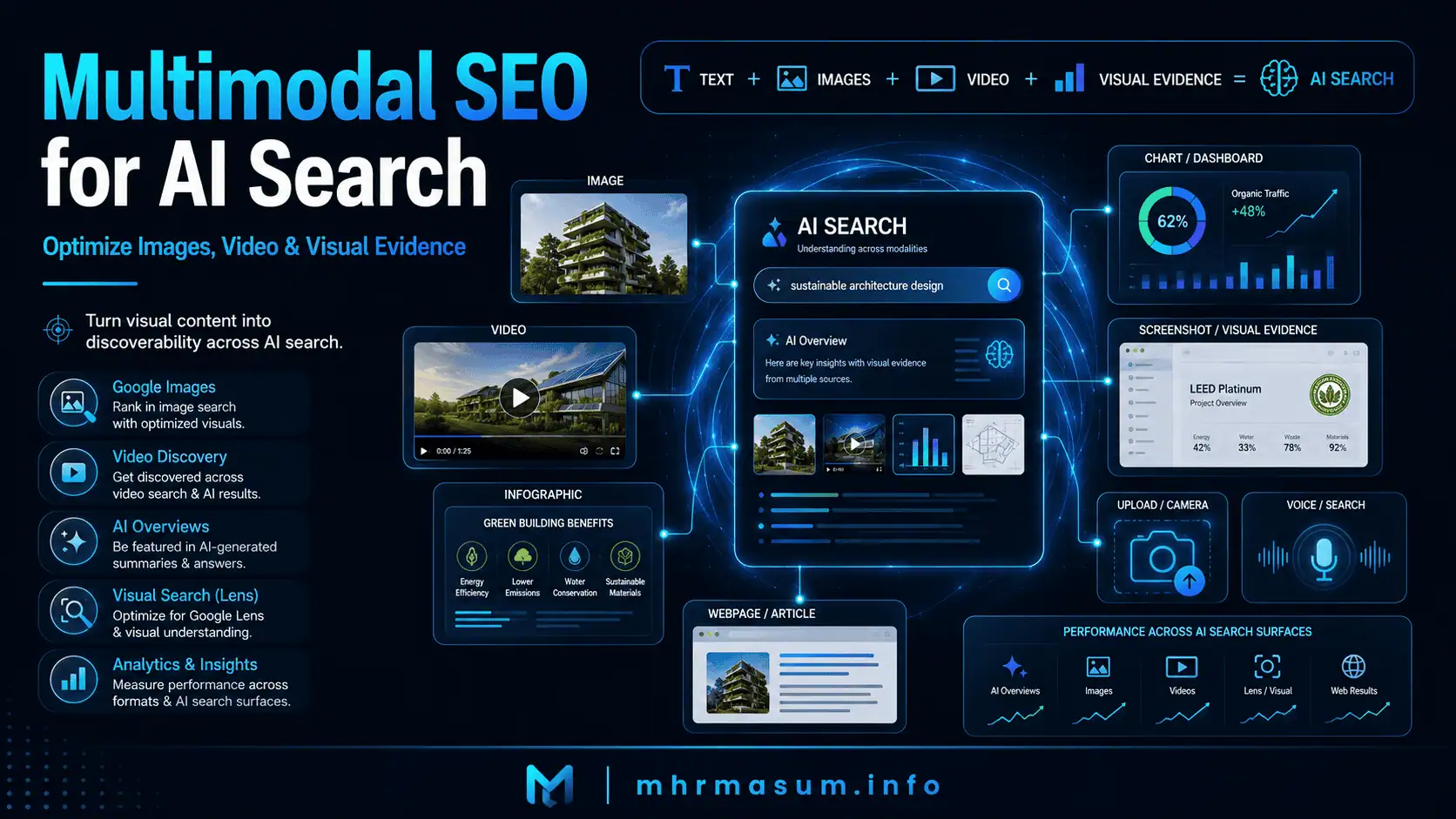
Search is no longer limited to a person typing a text query and receiving a list of blue links. Users can now search by typing, speaking, uploading an image, taking a photograph, watching a video, exploring a chart, using Google Lens, or combining text and visual input in the same search journey. Google AI Mode, … Read more